Everything About Stained Concrete: A Comprehensive Guide to Its Benefits and Applications
Stained concrete has become a prominent choice for both property and commercial rooms. Its capacity to integrate aesthetic allure with functionality makes it an intriguing choice. Various staining methods use a variety of shades and finishes, enabling personalization. The advantages expand beyond appearance. Understanding its applications and upkeep demands is crucial for anyone considering this versatile product. The subtleties of stained concrete welcome even more expedition.
What Is Stained Concrete?
Staining can be put on various surfaces, consisting of floorings, driveways, and patio areas, making it a functional option for both indoor and outside areas. The therapy can achieve a series of appearances, from natural tones to vibrant, contemporary layouts. Unlike paint, stained concrete preserves its look in time, as it ends up being an integral part of the concrete itself. Generally, stained concrete offers as an effective approach for changing normal concrete right into aesthetically striking surfaces.
Advantages of Stained Concrete
Stained concrete deals substantial advantages, especially in aesthetic appeal and longevity - local stained concrete. Its vibrant colors and special patterns boost the aesthetic beauty of any area, making it a prominent choice for both household and commercial applications. In addition, the durability of stained concrete assurances that it continues to be a sensible financial investment over time, withstanding damage
Visual Allure
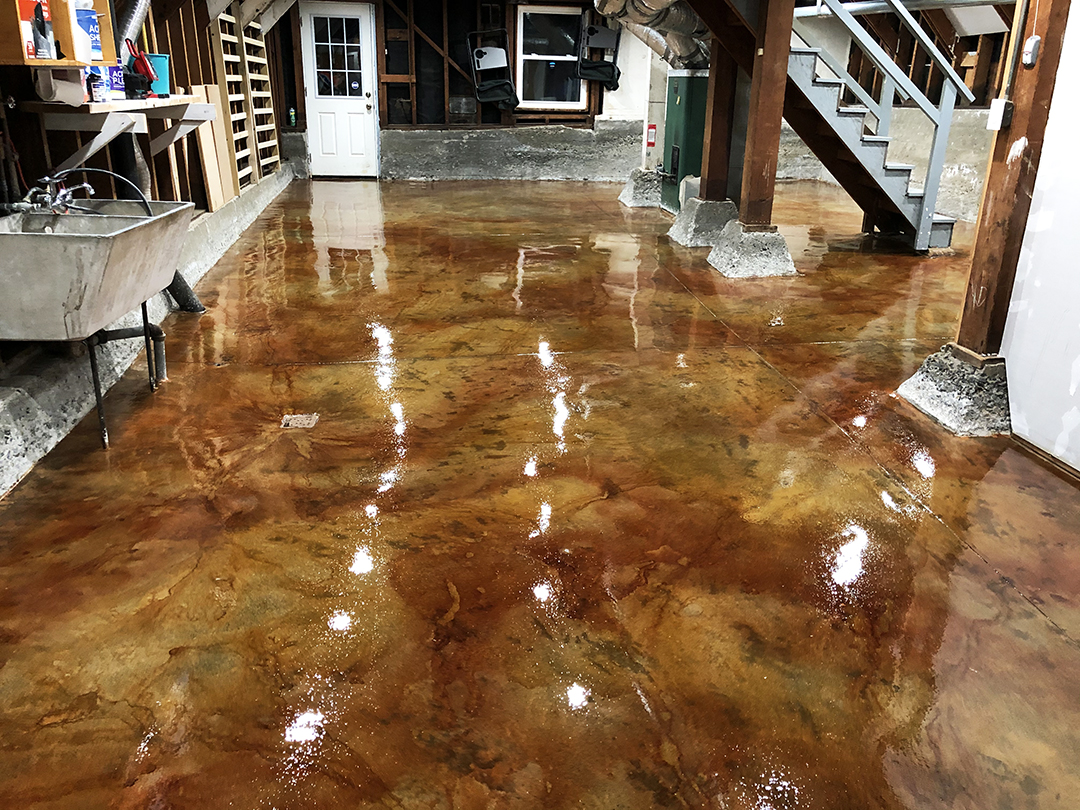
One of one of the most engaging benefits of using stained concrete is its impressive visual allure. Stained concrete deals an one-of-a-kind and flexible appearance that can complement numerous style styles, from modern-day to rustic. The mixture of vibrant colors and detailed patterns allows property owners and designers to develop customized surface areas that can boost the total atmosphere of an area. Unlike traditional floor covering choices, stained concrete can mimic the look of all-natural stone or refined marble, offering a high end look without the associated prices. In addition, the shiny surface choices can mirror light, further brightening insides. This flexibility makes stained concrete a popular option for both household and business applications, where visual effect is critical.
Toughness and Long life
The impressive aesthetic qualities of stained concrete are complemented by its amazing sturdiness and long life - stained concrete floors. Stained concrete surfaces are immune to deterioration, making them suitable for high-traffic locations both indoors and outdoors. Their robust nature indicates they can withstand harsh weather, consisting of severe temperatures, rainfall, and UV exposure, without considerable deterioration. On top of that, stained concrete needs minimal maintenance compared to other floor covering choices, as it does not need constant sealing or refinishing. This durability not just lowers substitute costs yet additionally adds to a lasting building method. Overall, stained concrete gives a long-lasting service that integrates aesthetic charm with functional benefits, guaranteeing its value gradually
Different Kinds of Staining Techniques
Various discoloration strategies can significantly affect the visual high qualities of concrete surfaces. The 3 main techniques consist of acid discoloration, which reacts chemically with the concrete, water-based staining, which supplies a wider range of shades, and overlay staining options that give a fresh surface area. Each strategy has one-of-a-kind qualities and applications that accommodate numerous layout preferences and task demands.
Acid Staining Method
Just how can property owners transform ordinary concrete surface areas right into visually striking features? One efficient approach is acid discoloration, a popular strategy that enhances the all-natural charm of concrete. This procedure entails using a service of water, hydrochloric acid, and metallic salts to the concrete surface. As the acid responds with the lime present in the concrete, it produces abundant, variegated shades that appear like marble or rock. Acid discoloration is understood for its toughness and resistance to fading, making it a long-lasting selection for both interior and exterior applications. It is essential to note that the results can differ based on the initial concrete shade and texture. Appropriate application and sealing are important for accomplishing the preferred aesthetic and durability
Water-Based Staining Strategy
A popular option to acid staining, the water-based staining technique offers homeowners a functional means to improve concrete surfaces. This technique utilizes water-soluble dyes and pigments, permitting a variety of colors and finishes. Unlike acid spots, water-based stains can be applied to unsealed concrete and provide a less complicated clean-up process. The results can attain an extra consistent look and can be layered to produce special effects. In addition, water-based discolorations are typically less harmful and produce fewer volatile organic substances (VOCs), making them much more eco friendly. House owners may value the capacity to tailor their concrete surfaces with numerous shades, permitting creative expression while maintaining toughness and durability in their floor covering options.
Overlay Discoloration Options
Numerous overlay staining alternatives exist for house owners looking to renew their concrete surfaces. One preferred choice is acid staining, which reacts chemically with the concrete to produce rich, variegated colors. Another option is water-based staining, supplying a wider shade combination and much easier application. Furthermore, concrete overlays can be incorporated with stencils for intricate layouts, enhancing looks. For a much more textured coating, home owners may think about utilizing stamped overlays that simulate all-natural products like rock or floor tile. Each method provides unique benefits, from longevity to personalization, enabling a tailored touch. Inevitably, the choice of overlay staining depends upon the desired appearance and the problem of the existing concrete, ensuring a refreshed and enticing surface area.
Applications of Stained Concrete
Stained concrete deals a functional solution for different applications, boosting both visual appeal and capability. This material is generally used in household, industrial, and industrial setups, making it a preferred option among designers and designers. In homes, stained concrete can function as elegant flooring or outdoor patios, offering a sophisticated look while continuing to be long lasting.
In business rooms, such as retailers and dining establishments, stained concrete contributes to a modern-day setting and can hold up against hefty foot web traffic. Additionally, stained check my reference concrete is increasingly made use of in public spaces try this web-site like parks and pathways, where its capability to imitate natural stone or various other products adds aesthetic interest.
Moreover, stained concrete is excellent for pool decks and driveways, providing a slip-resistant surface that is simple to keep. On the whole, the adaptability of stained concrete makes it ideal for countless atmospheres, dealing with varied preferences and demands.
Maintenance and Care for Stained Concrete
Correct maintenance ensures the durability and elegance of stained concrete surface areas. Normal cleansing is vital; utilizing a light cleaning agent and water with a soft-bristle brush helps get rid of dirt and grime without damaging the surface. It is advisable to stay clear of severe chemicals that can remove away the tarnish or sealant.
Securing stained concrete is vital for security against moisture, stains, and wear. A premium sealant should be reapplied each to three years, relying on the traffic and exposure the surface withstands. Furthermore, resolving spills without delay will prevent discoloration and discoloration.
Expense Factors To Consider for Stained Concrete Projects
When preparing a tarnished concrete job, budget plan factors to consider play a crucial duty in determining the total expense. The expenses associated with stained concrete can vary substantially based on several factors. Initially, the size of the area to be stained directly affects material and labor prices. Bigger spaces will naturally require more sources. Second, the kind of discolor selected-- acid-based or water-based-- can influence rates, with acid discolorations often being much more expensive. Furthermore, the complexity of the layout, including patterns or numerous shades, can raise labor costs. Preparation job, such as cleansing and grinding the concrete surface, adds to the preliminary costs. The choice between DIY setup and hiring an expert service provider will certainly additionally influence the spending plan. Understanding these variables enables property owners to make enlightened economic choices regarding their stained concrete tasks, ensuring they achieve the desired aesthetic within their financial ways.
Tips for Picking the Right Stained Concrete for Your Space
Choosing the right stained concrete for a certain room includes careful reflection of numerous factors past just budget. One should examine the desired usage of the area. High-traffic areas might need even more long lasting finishes, while decorative applications can prioritize appearances.
The color palette is one more essential element; the picked colors should integrate with existing design and lighting. It's also vital to think about the surface structure, as smooth coatings can enhance class, while distinctive options might assure safety and security redirected here in wet locations.
Neighborhood climate and ecological conditions play a substantial function in the long life and upkeep of stained concrete, affecting the choice of sealants and coatings.
Lastly, consulting with experts can supply beneficial understandings customized to specific needs, ensuring the selection of the excellent stained concrete that aligns with both performance and style.

Often Asked Concerns
Can Stained Concrete Be Applied Over Existing Flooring?
Stained concrete can certainly be applied over existing flooring, gave the surface is stable and sufficiently prepared. This method enables an aesthetic upgrade without the need for complete elimination of the initial floor covering materials.
For How Long Does Stained Concrete Last?
Stained concrete can last for decades when effectively kept. Factors such as web traffic, environmental conditions, and application techniques greatly affect its longevity, with several setups continuing to be dynamic and intact for 10 to 30 years.
Is Stained Concrete Slippery When Wet?
Stained concrete can be unsafe when damp, as the surface might produce a smooth surface area. However, using non-slip additives or distinctive coatings can minimize this concern, improving security without jeopardizing the visual charm of the concrete.
Can I Stain Concrete Myself, or Should I Work with an Expert?
The choice to tarnish concrete directly or hire a professional copyrights on skill degree and job complexity. While DIY staining can save money, experts assure ideal results, particularly for elaborate styles or huge surface areas.
What Color styles Are Readily Available for Stained Concrete?
The variety of shades offered for stained concrete includes natural tones like browns and tans, lively tones such as reds and blues, and softer hues like pastels. This combination allows for innovative, tailored design options.
Comments on “The role of local stained concrete supports sustainable building”